

Firefighting E-Learning
An emergency occurs in Switzerland an average of 18,000 times a year. Quick and deliberate action can prevent a disaster from happening.
In this course, you will learn the fundamentals of correct behavior in the event of a fire.
With which equipment and how can I fight a fire.
You will gain the basic knowledge to prevent fires, act correctly in an emergency, and safely and effectively fight an initial fire.
Duration approx. 60 minutes
Learning content
- You understand the basic emergency response principle look-think-act.
- You understand the legal basis for first aid.
- You can correctly state emergency numbers and raise the alarm correctly.
- You can name a simple assessment and derive appropriate measures.
- You will learn how to place an unconscious person in the recovery position.
- You will learn the theoretical principles of chest compressions including rescue breathing.
- You will learn how to use a defibrillator correctly.
- You will learn about the symptoms and first-aid measures in the event of a heart attack and stroke
- Teacher: Christoph Hauser
- Teacher: Valerie Racheter
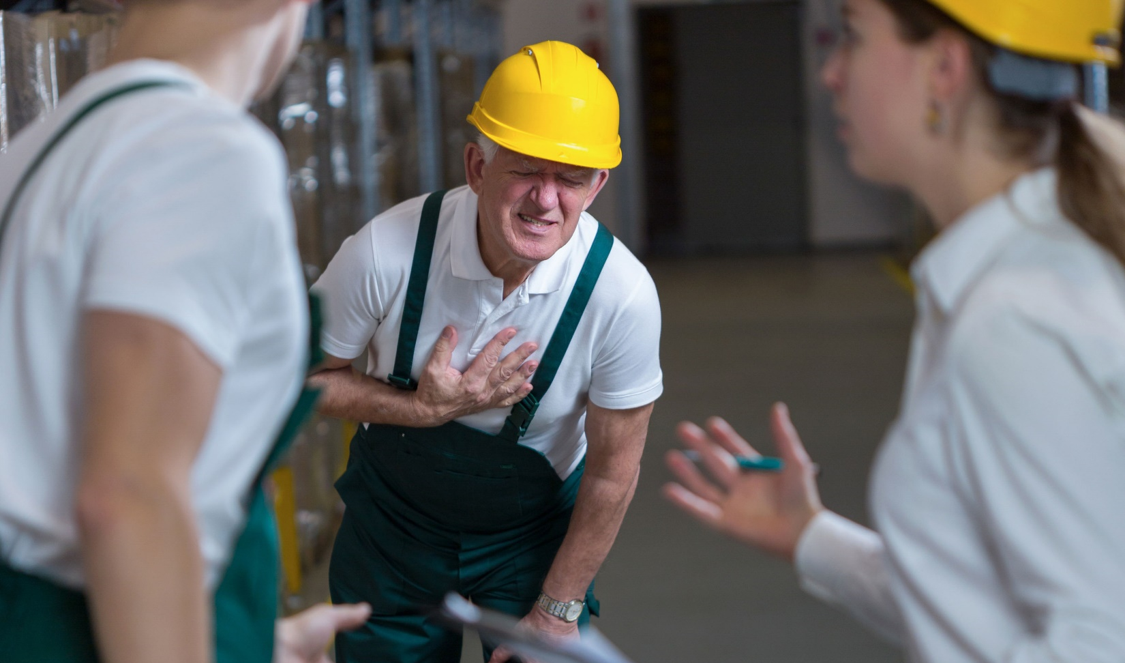
First Aid E-Learning
What to do in a medical emergency?Here you will learn the most important behavior guidelines in a medical emergency. What can everyone do to save lives?
This course is aimed at anyone who wants to know what to do during a medical emergency. It is not about complex procedures, but about measures that anyone can implement immediately.
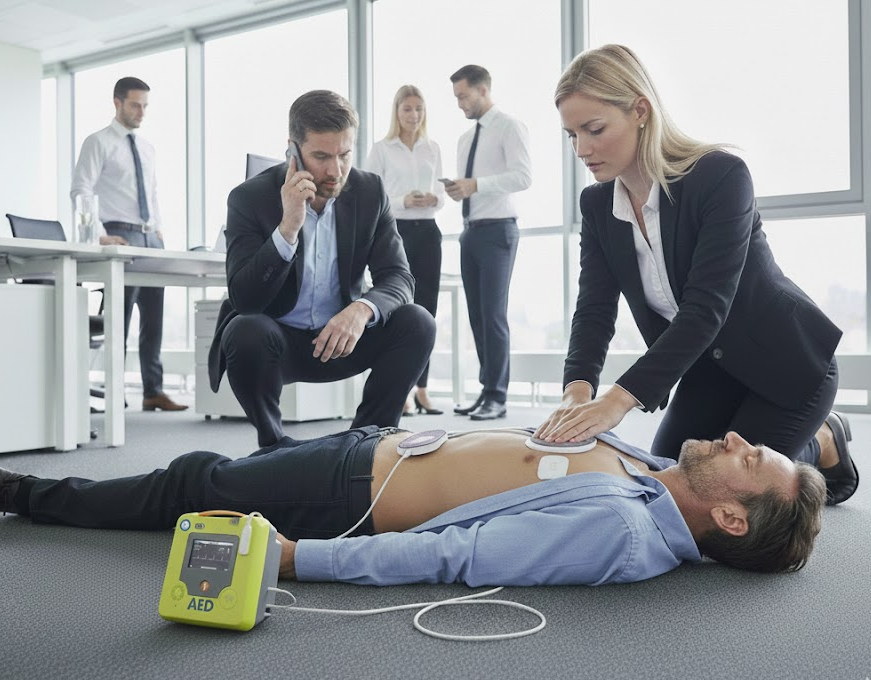

Learn the fundamentals of acting correctly in a medical emergency in this course.
Duration approx. 60 minutes
Learning content
- You understand the basic emergency response principle look-think-act.
- You understand the legal basis for first aid.
- You can correctly state emergency numbers and raise the alarm correctly.
- You can name a simple assessment and derive appropriate measures.
- You will learn how to place an unconscious person in the recovery position.
- You will learn the theoretical principles of chest compressions including rescue breathing.
- You will learn how to use a defibrillator correctly.
- You will learn about the symptoms and first-aid measures in the event of a heart attack and stroke
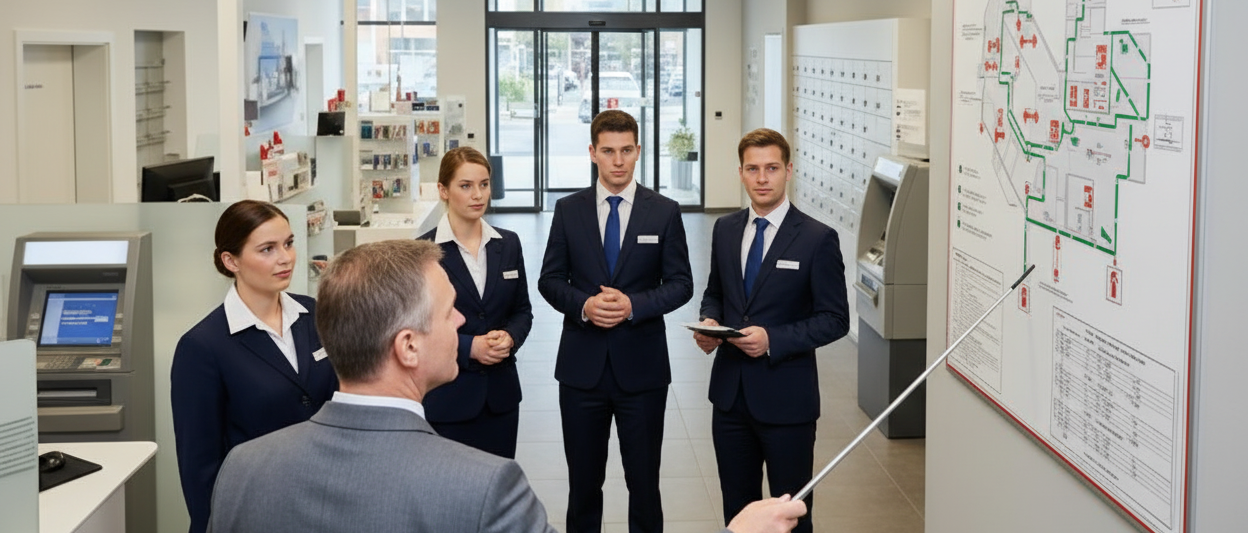
Initial safety instruction
You will receive essential knowledge for special events regarding the specified subject areas.
The course is particularly aimed at individuals working with high values of cash or assets (banks, jewelers, luxury boutiques, etc.).
Duration approx. 60 minutes


Content
-
Communication and de-escalation: Fundamentals of communication, de-escalation strategy
-
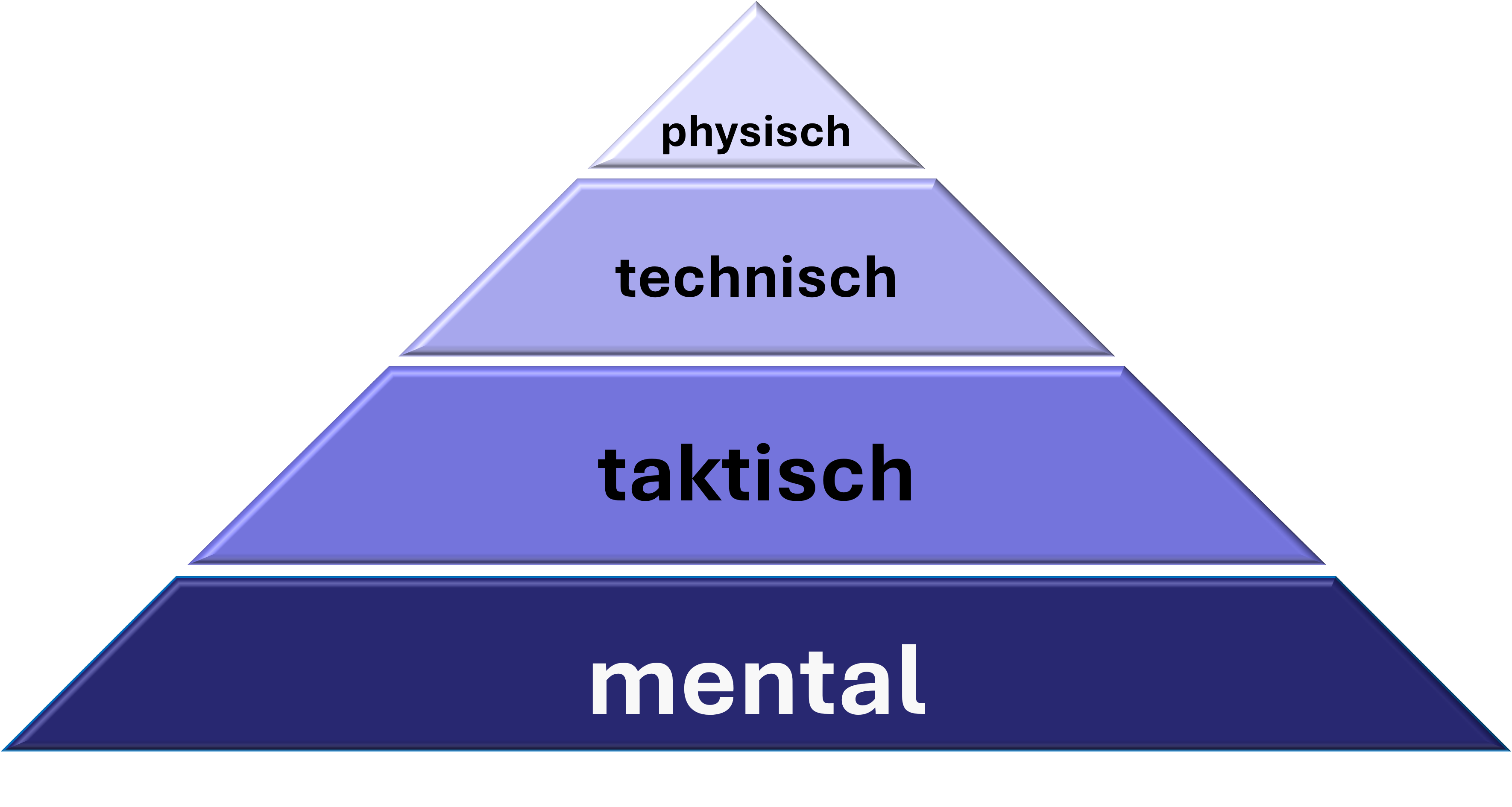
Self-protection: The self-protection pyramid with mental, tactical, technical, and physical preparation
-
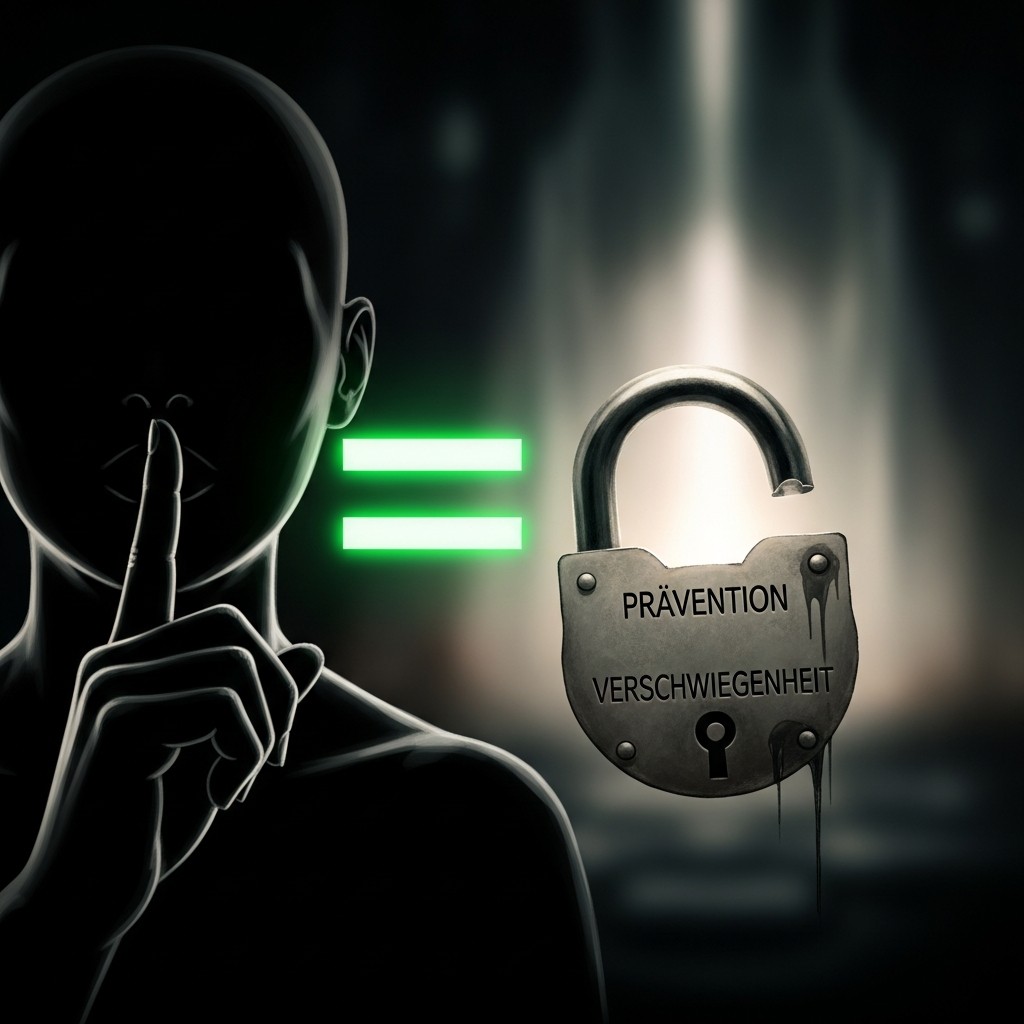
Handling threats: Types of threats (non-verbal, phone, written, verbal) and corresponding measures
-
Extreme situations: Extreme situations such as extortion, robbery, hostage-taking, and tiger kidnapping. Behavioral and preventive measures
Course objectives
-
You understand the fundamentals of communication and can correctly categorize the phases of de-escalation.
-
You can correctly categorize the terms of the self-protection pyramid and know the different states of the mental readiness level.
-
You know the most important rules of conduct for written, telephonic, and verbal threats.
-
You understand the differences between hostage-taking, robbery, extortion, and tiger kidnapping.
-
You can demonstrate the correct conduct and procedure during a robbery, acting in accordance with self-protection guidelines.
-
You can list preventive measures against extreme situations.
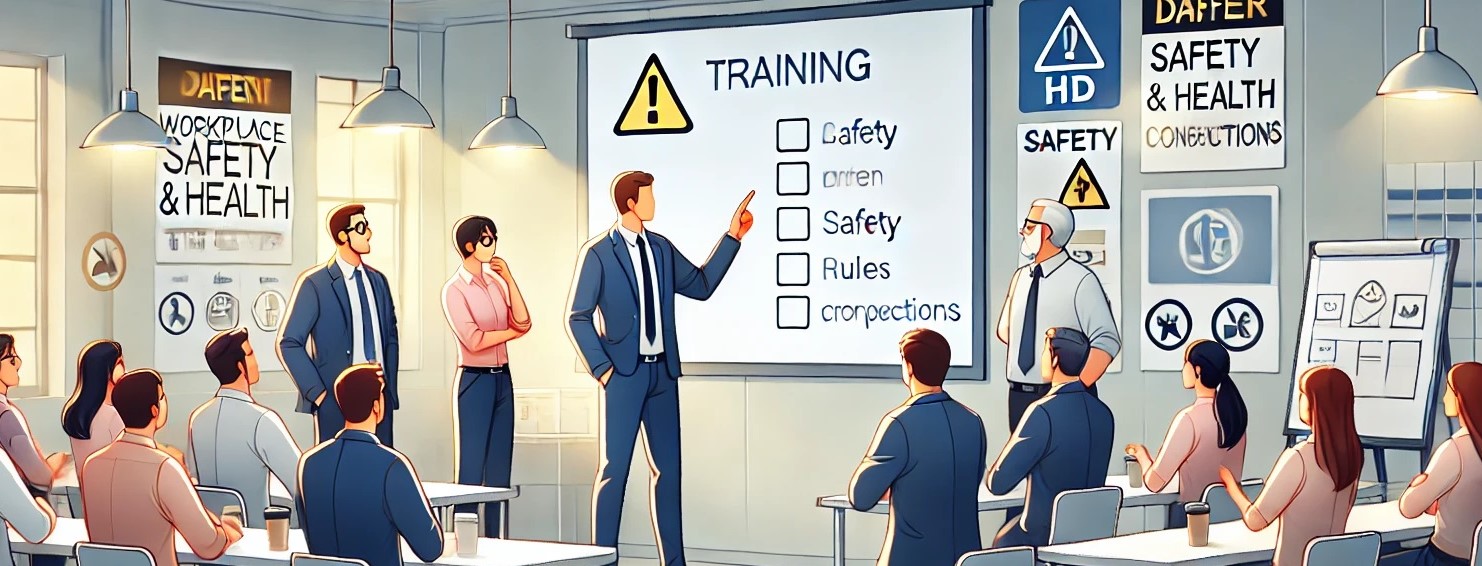
Arbeitssicherheit & Gesundheitsschutz AS/GS
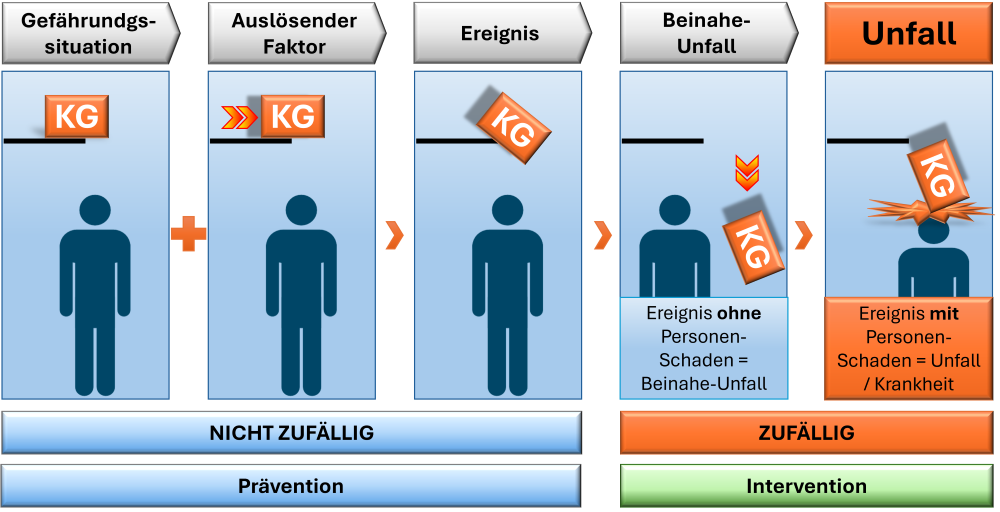
Das E-Learning AS/GS (Arbeitssicherheit und Gesundheitsschutz) bietet eine flexible und effiziente Möglichkeit, grundlegendes Wissen über die Sicherheit am Arbeitsplatz zu erwerben.
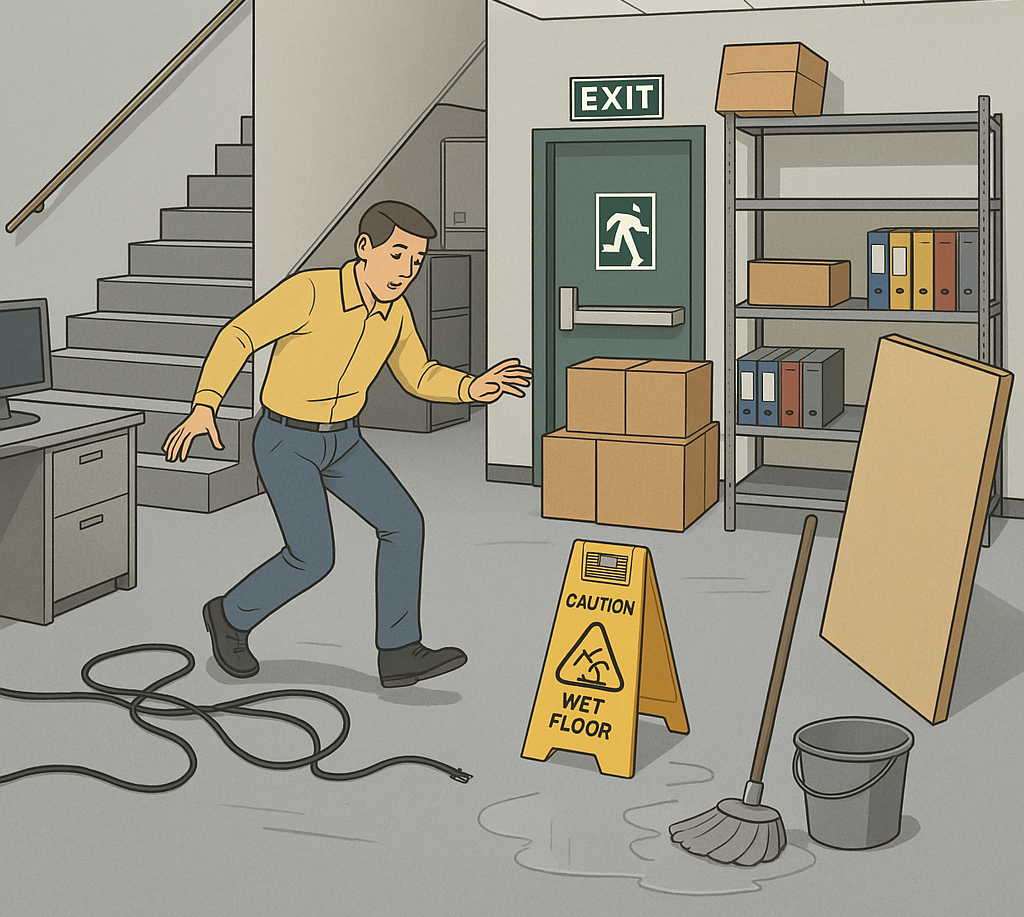
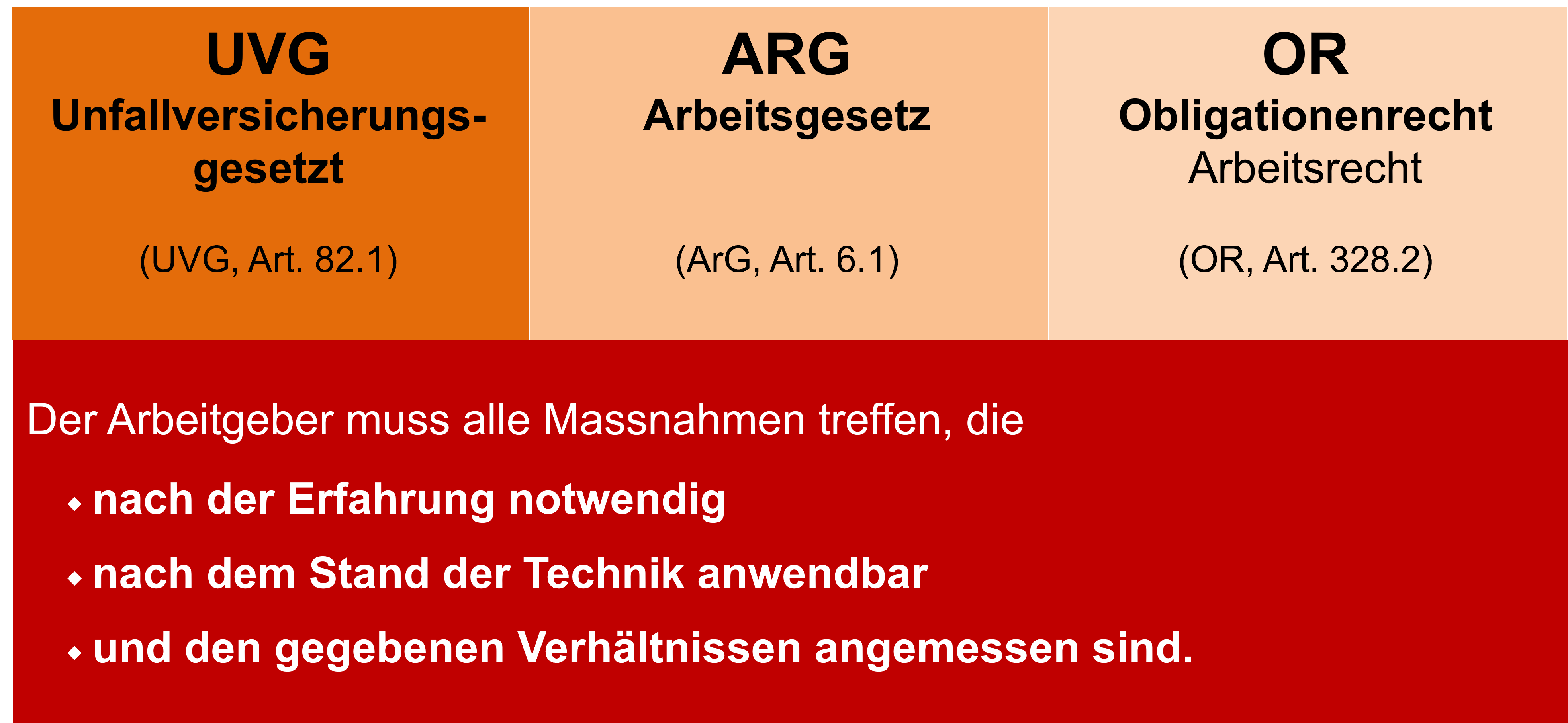
In diesem Kurs lernen Sie, wie Sie potenzielle Gefahren erkennen und vermeiden können, um sich selbst und Ihre Kollegen zu schützen. Der Fokus liegt auf den wichtigsten gesetzlichen Bestimmungen, der korrekten Nutzung von Arbeitsmitteln und dem Verhalten in Notfällen.
Sie lernen ihre rechtlichen Pflichten sowie die internen Strukturen und Prozesse kennen, um Unfälle und Gesundheitsrisiken aktiv zu vermeiden.
Dauer ca. 60 Minuten
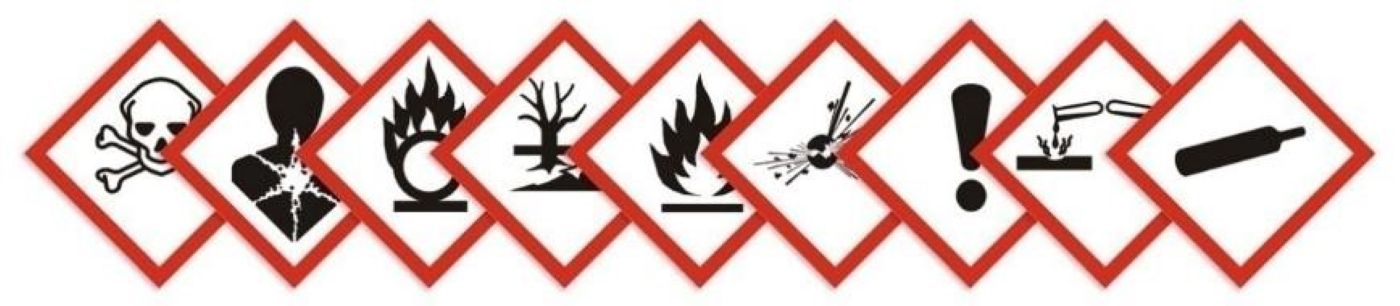
Gefahrensymbole
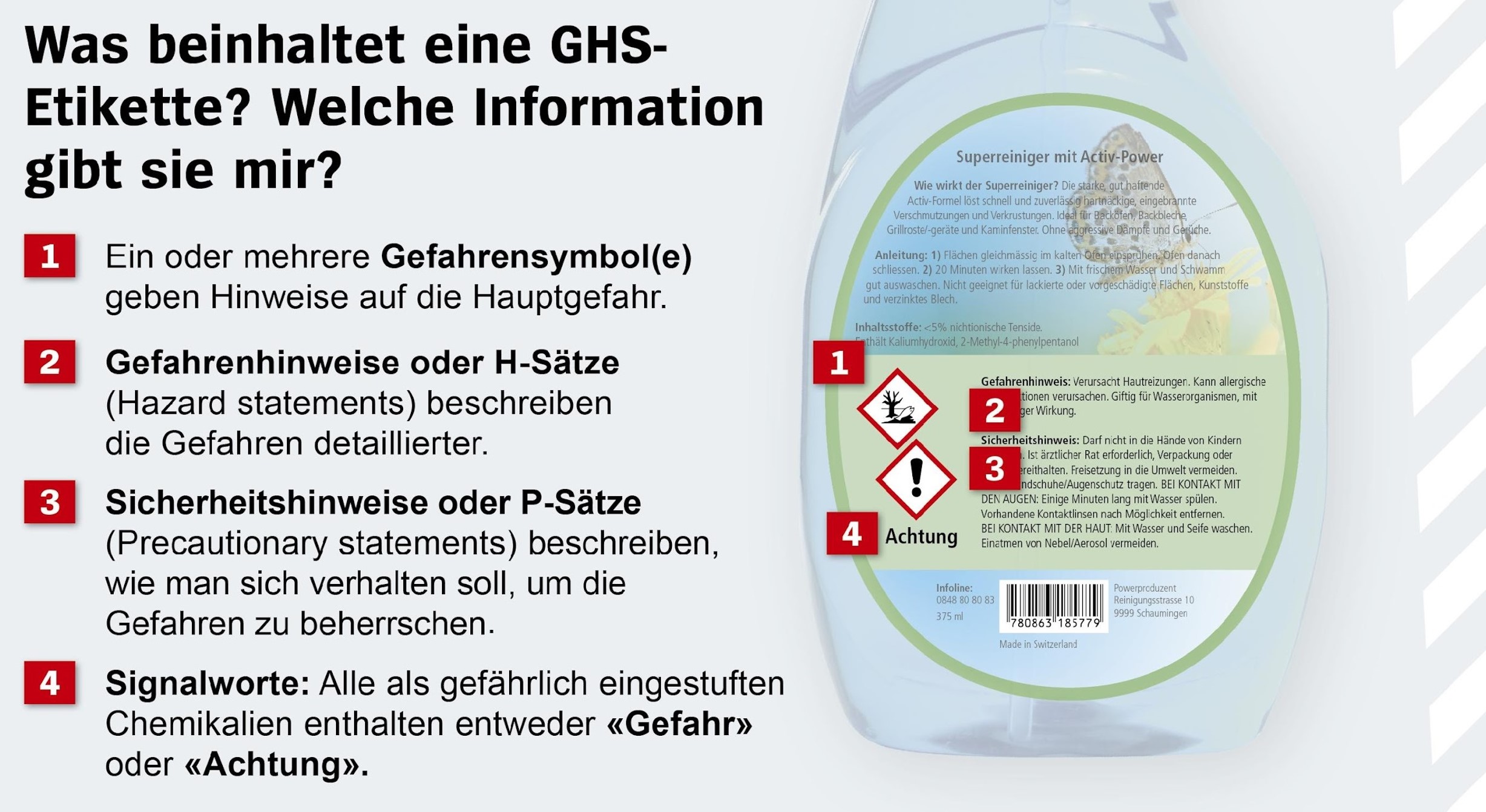
Dieser E-Learning-Kurs vermittelt Ihnen das unerlässliche Wissen über die Erkennung und Interpretation von Gefahrensymbolen und GHS-Piktogrammen – dem global harmonisierten System zur Einstufung und Kennzeichnung von Chemikalien. Ein sicherer Umgang mit Gefahrstoffen beginnt mit dem Verständnis ihrer Kennzeichnung. Dieser Kurs ist speziell für alle Mitarbeiter konzipiert, die in ihrem Arbeitsalltag mit Chemikalien, Reinigungsmitteln oder anderen potenziell gefährlichen Substanzen in Berührung kommen, sei es im Labor, in der Produktion, im Lager oder im Büro.
Sie lernen den Umgang mit chemischen Produkten. Insbesondere die GHS-Piktogramm zu verstehen und die Produkteetiketten richtig zu interpretieren.
Dauer ca. 45 Minuten
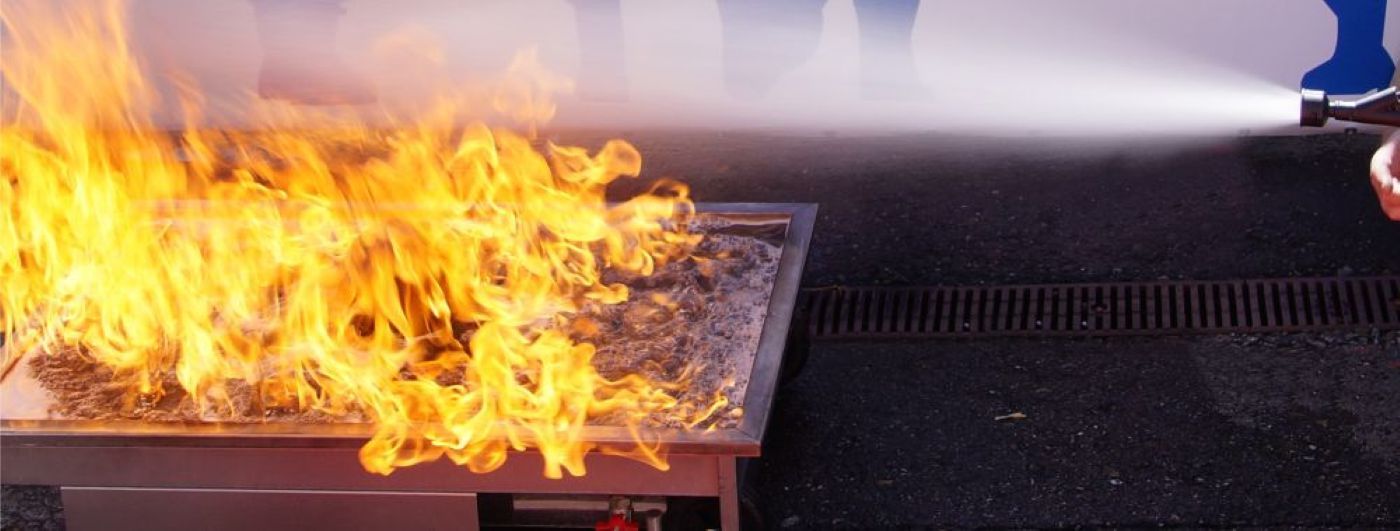
Lutte contre l'incendie E-Learning
En Suisse, un cas d'urgence incendie se produit en moyenne 18 000 fois par an. Une action rapide et réfléchie peut empêcher que cela ne se transforme en catastrophe.
Dans ce cours, apprenez les bases d'une réaction correcte en cas d'incendie. Avec quels moyens et comment puis-je combattre un incendie.
Vous acquerrez les connaissances de base nécessaires pour prévenir les incendies, agir correctement en cas d'urgence et combattre un feu naissant de manière sûre et efficace.
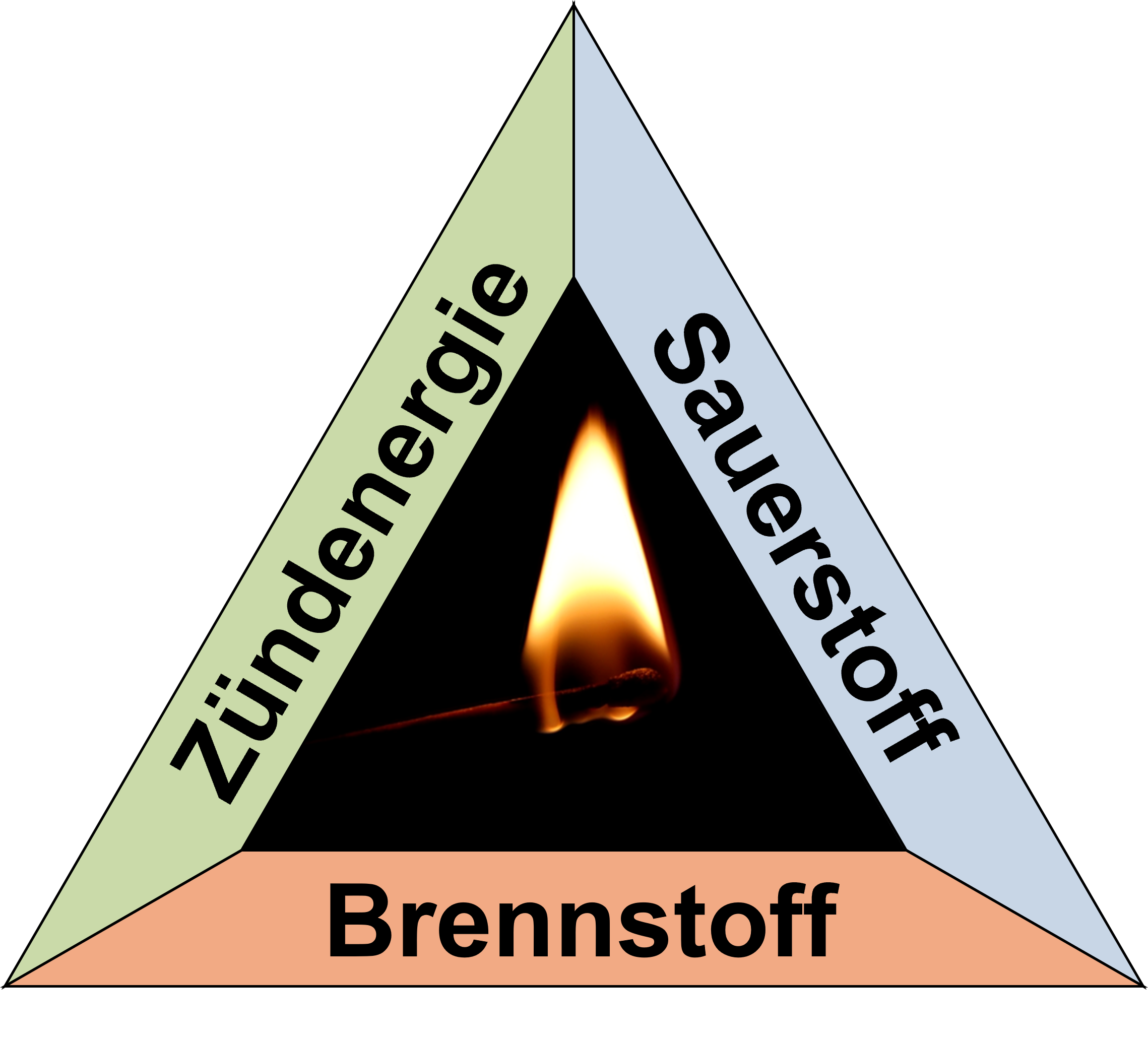
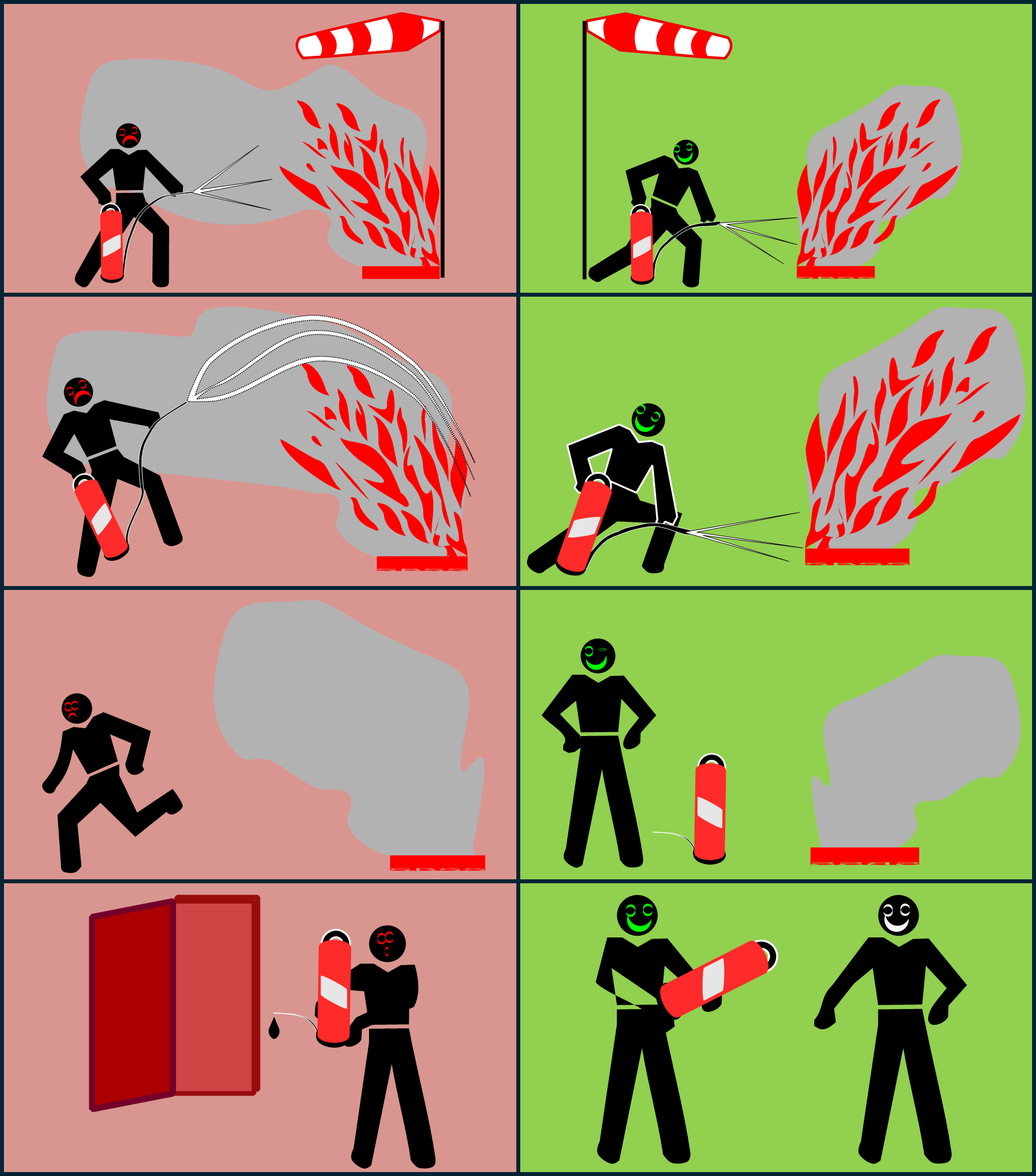
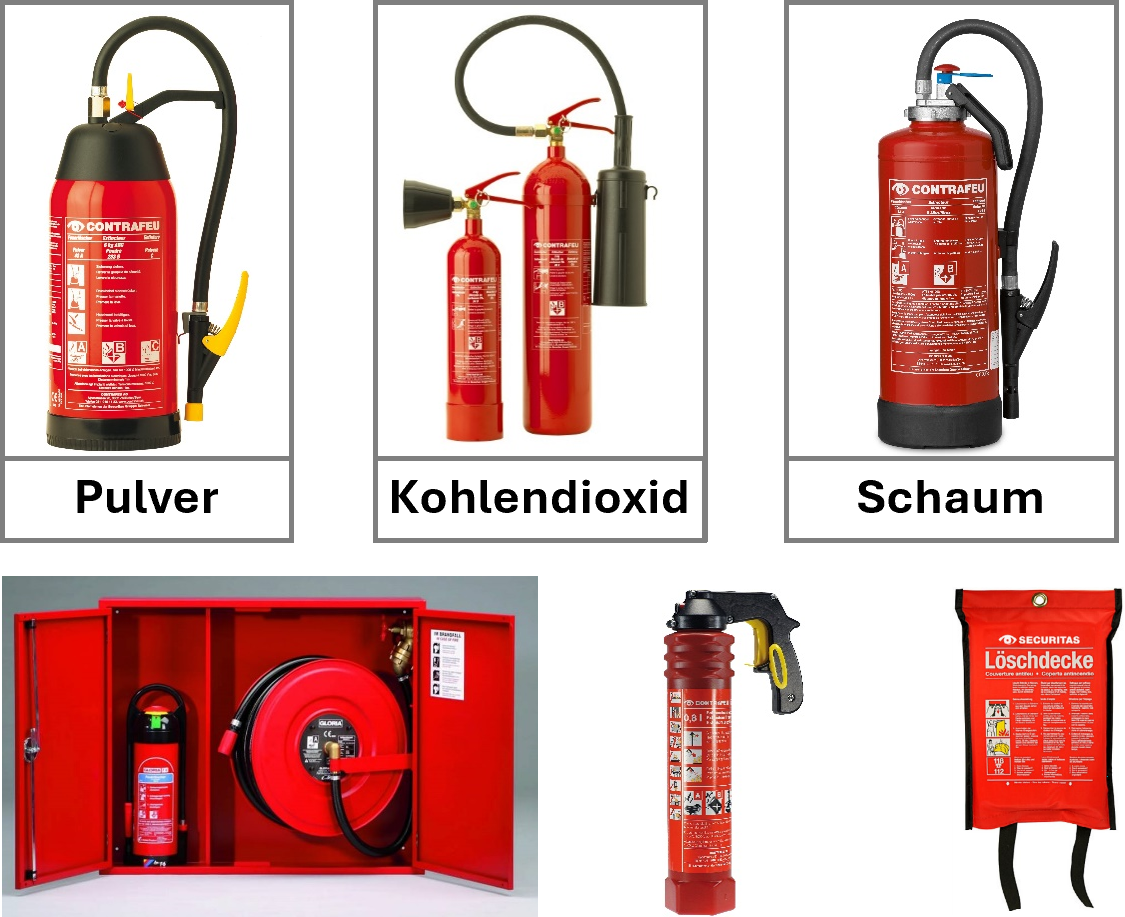
Durée env. 60 minutes
- Teacher: Valerie Racheter

Grundwissen in Arbeitssicherheit und Gesundheitsschutz
In jedem Betrieb muss das Grundwissen in Arbeitssicherheit und Gesundheitsschutz vorhanden sein. Kleine Betriebe des Dienstleistungssektors ohne besondere Gefährdungen erhalten mit den sieben Lernmodulen der EKAS die Möglichkeit, einen Teil des erforderlichen Grundwissens zu erlangen und zu festigen.
Bei diesem E-Learning handelt es sich um ein Gratistool von:
Eidgenössische Koordinationskommission für Arbeitssicherheit EKAS
Was tun bei einem Notfall?
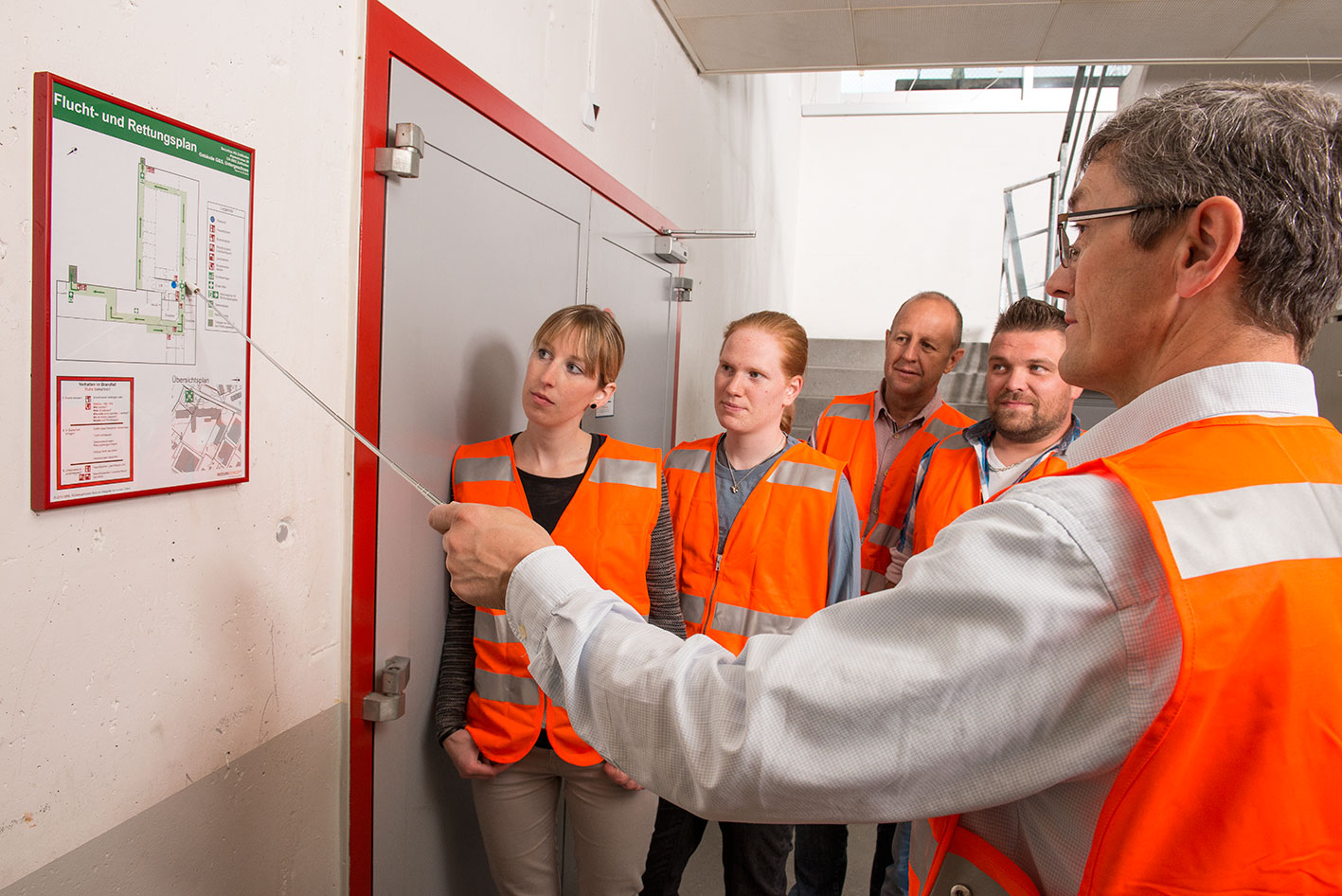
Hier erfahren Sie, was die wichtigsten Verhaltenspunkte in einer Notfallsituation sind. Oft sind es einfache Punkte und Verhaltensweisen welche über Sicherheit oder Gefahr entscheiden
Inhalt
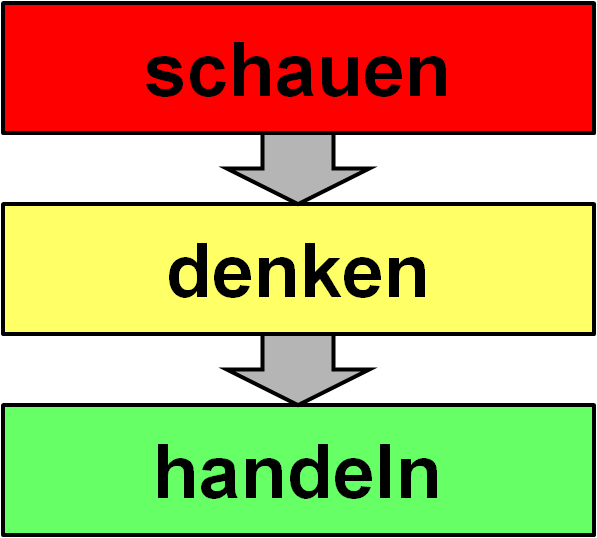
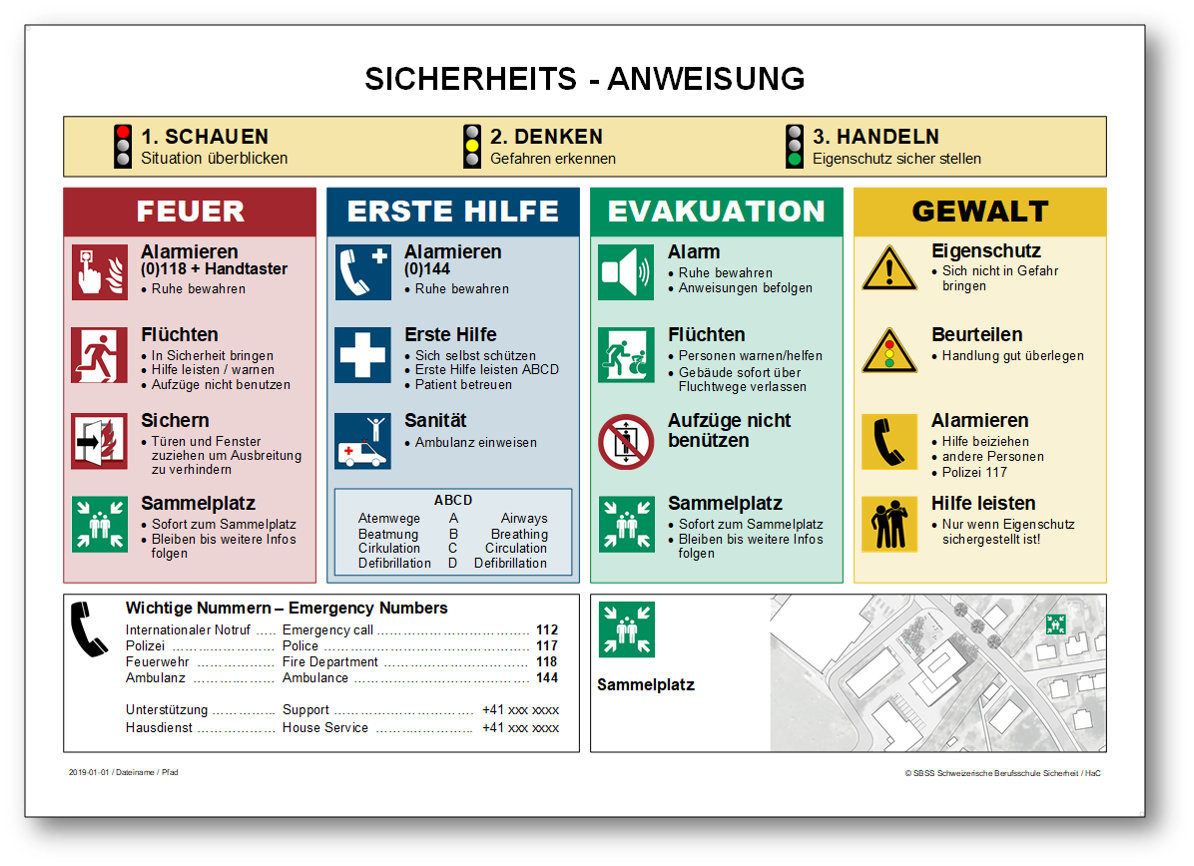
- Notfallverhalten Schauen - Denken - Handeln
- Grundverhalten bei Brand / Erste Hilfe / Evakuation / Gewalt
Der Kurs richtet sich an alle die wissen wollen, was bei einem Notfall gemacht werden kann. Es geht nicht um komplexe Abläufe, sondern um Massnahmen welche jede Person sofort umsetzen kann.
Dauer ca. 45 Minuten
